Serving Torrance, CA and surrounding areas. (424) 318-3290
Too hot, too exposed, too uncomfortable - most Torrance patios go unused for half the year. We install patio covers built for South Bay conditions, with corrosion- resistant materials and proper permits, so your outdoor space works every day of the year.
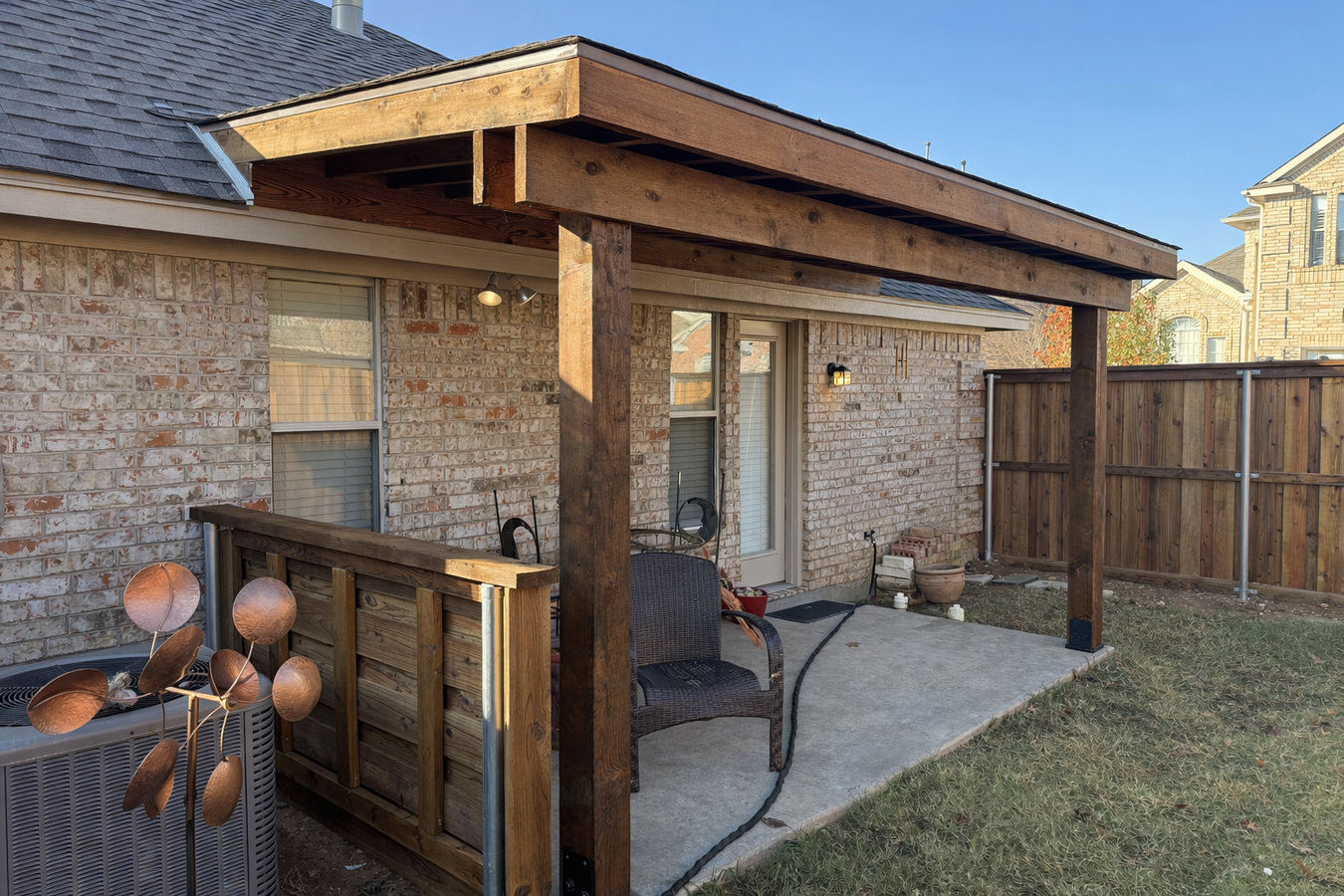
Patio cover installation in Torrance adds a permanent, roofed shade structure to your existing outdoor space - most jobs take one to two days of active work once permits are approved and materials arrive on-site. A crew sets posts in concrete footings, frames the roof structure, and attaches it securely to your home with proper flashing to keep water out. Depending on the design, the cover may have a solid roof for full shade and rain protection, an open-beam pergola style for partial shade, or an adjustable louvered system you can open and close as conditions change.
Patio cover installation is a permanent structural project that requires a city permit in Torrance - and any contractor who suggests skipping the permit is worth walking away from. The permit protects you when you sell or refinance, and the inspection confirms the cover is anchored correctly. If you are thinking about eventually enclosing the space fully, a cover can be designed with that path in mind. Our sunroom design page covers how to plan a phased project from cover to enclosed room, and our patio enclosures page shows the full enclosed version if you are ready to go further now.
If you step outside in the afternoon and the heat drives you back inside within minutes, your patio is working against you. Torrance's summer sun is intense, and an unshaded concrete or tile patio absorbs and radiates heat well into the evening. A cover does not just block the sun overhead - it reduces the surface temperature of your patio and the radiant heat bouncing off the ground, making the space genuinely comfortable rather than something you avoid.
Torrance's marine layer is mild but persistent, and if you are seeing rust streaks running down your exterior wall or water stains on the patio surface near the house, moisture is collecting where it should not be. A properly installed patio cover with correct flashing and drainage redirects that moisture away from your home's exterior. Leaving it alone means the staining gets worse and the wall behind it can start to deteriorate over time.
If cushions are bleaching out, wood furniture is cracking, or plastic pieces are becoming brittle within a year or two of purchase, that is direct evidence of how much UV exposure your patio gets. A solid or louvered cover dramatically extends the life of outdoor furniture - which means the cover often pays for itself in replacement costs you do not have to make. South Bay sun intensity is higher than most people expect, even in the cooler months.
If you have a backyard that sits empty most of the time - not because you do not want to be outside, but because the conditions make it hard to stay out there - a patio cover is often the single change that shifts how you live in your home. Many Torrance homeowners describe this as the renovation that gave them a whole new room without adding any square footage to the structure.
Most Torrance homeowners start with one question: do I want full shade and rain protection, or do I want some control over how much light comes through? That decision drives most of the design. A solid-roof attached cover gives you the most protection and the most dramatic reduction in heat on your patio surface. A louvered cover - where the roof slats open and close - gives you flexibility to let in morning light and close up when the afternoon sun gets intense. For homeowners who want a shade structure away from the house, a freestanding pergola-style cover works over a pool deck, garden area, or a separate seating zone. We can also integrate electrical work - fans, lighting, and outdoor speakers - during the installation at a fraction of what it costs to retrofit a finished structure later.
Every cover we build in Torrance is anchored in concrete footings - not just bolted to the patio slab surface - and attached to the house with properly installed flashing at the wall connection. If you are thinking about eventually adding walls and going to a full enclosure, talk to us about designing the frame to accept that upgrade. Our sunroom design and patio enclosures pages explain what that phased path looks like and what each stage adds to the project scope.
Best for homeowners who want full rain protection and maximum shade, connecting directly to the back of the house with a matching roofline.
Best for homeowners who want adjustable shade - open the louvers for sun, close them for full coverage - with the convenience of a motorized system.
Best for homeowners who want a shade structure away from the house - over a pool, seating area, or garden - without attaching to the existing wall.
Best for homeowners who want ceiling fans, recessed lighting, or outdoor speakers integrated during the build rather than retrofitted later.
Torrance averages about 278 sunny days a year - well above the national average. That means an uncovered patio is genuinely uncomfortable for a large portion of the year, and the UV exposure here degrades materials faster than homeowners in cooler climates expect. The marine layer that rolls in most mornings adds a layer of coastal moisture that makes material selection more important, not less: untreated fasteners rust, unsealed wood swells and cracks, and covers built with generic hardware start showing problems within a couple of seasons. We work regularly in Manhattan Beach and Carson and apply the same coastal-appropriate specifications across every South Bay project.
A large share of Torrance homes were built in the 1950s through 1970s with stucco exteriors and aging fascia boards that require extra attention when anchoring a patio cover. A contractor who does not inspect the attachment point before finalizing the design is leaving the most important part of the job to chance - and that is one of the most common reasons patio covers develop leaks or pull away from the wall over time. We inspect that connection at the estimate visit, before any price is final, so you know what the project actually involves before you commit to it.
When you reach out, we ask a few basic questions - the size of your patio, whether you have an HOA, and what you are hoping to use the space for. We schedule a time to come see your yard in person, usually within a few days. This visit is free and carries no obligation. We respond to every inquiry within one business day.
At the site visit, we measure your space, inspect how your home is built at the attachment point, and walk through your options - shade versus full coverage, materials, and any electrical add-ons. You receive a written estimate within a day or two, detailed enough to compare against other quotes side by side.
Once you have agreed on a design and signed a contract, we submit the permit application to the City of Torrance on your behalf. You do not need to visit any office or fill out forms. Permit review typically takes one to three weeks. If your neighborhood has an HOA, we help you prepare the submission package for association review at the same time.
Most patio cover installations take one to two days of active work. The crew sets posts in concrete footings, frames the structure, attaches it to your home with proper flashing, and installs the roofing or shade material. After installation, a city inspector verifies the finished structure matches the approved plans - we coordinate that appointment and are present for it.
We reply within one business day. A site visit is free, the estimate is in writing, and there is no pressure to commit on the spot.
(424) 318-3290Many Torrance homes were built in the 1950s through 1970s with stucco exteriors and framing that does not always match what newer construction uses. We inspect the attachment point at the estimate visit - before quoting a final price - to confirm the ledger board and fascia can carry the new structure. If the fascia needs repair first, you know it upfront rather than mid-project.
National Association of the Remodeling IndustryTorrance's coastal proximity means salt-laden air reaches most neighborhoods in the city, and standard fasteners and hardware rust faster here than inland. We specify stainless steel or hot-dipped galvanized hardware on every patio cover project - not as an optional upgrade, but as a standard practice for South Bay installations. A cover that looks great on day one but shows rust staining within two seasons is a quality problem, not a maintenance issue.
We ask about your HOA status on the first call and build the approval timeline into the project schedule from day one. We manage the city permit application entirely - you do not visit City Hall. If your Torrance neighborhood has an association with design review requirements, we help you prepare the submission package so both processes move in parallel rather than sequentially.
California Contractors State License BoardWe work across Torrance and the surrounding South Bay cities, which means we know the permit timelines, the typical HOA requirements, and the attachment challenges common to mid-century stucco homes in this area. That local knowledge shows up in the accuracy of our estimates and in the details of how we build - flashing, footing depth, material selection - that a contractor new to this market is more likely to get wrong.
The combination of proper attachment inspection, coastal-appropriate materials, clean permit paperwork, and genuine South Bay project experience is what separates a patio cover that holds up for 20 years from one that becomes a problem within five. That is the work we do on every project, regardless of the size of the cover.
If a patio cover is a first step toward enclosing the space, sunroom design helps you plan the full conversion before committing to any single phase.
Learn MoreReady to go further than a cover - patio enclosures add walls and a proper roof to transform an open patio into a year-round livable room.
Learn MoreSummer books fast - reach out now and we can have your cover permitted, installed, and ready before the hottest months arrive.